It suspends the rules before studying their impact.
The ordinance says the pause creates time to investigate -- lines 79-84.
04
It puts the lightest review on the most permanent act.
Demolition downgraded Major -> Minor Review.
05
It cuts the citizen Historic Preservation Board out.
Minor Review bypasses the appointed board.
06
"Temporary" means 36 months -- plus 24 more for permitted projects.
Total potential pause: 60 months.
07
The Council can extend it without a new limit stated here.
Extension is allowed by ordinance or resolution -- Sec. 5.
08
Its broad reach can provide cover for decisions about particular properties.
Historic Preservation Board chair Jeff Thompson's concern, reported by Orlando Shine.
“The city should investigate first — not suspend preservation oversight across the entire district and study the consequences afterward.”
What the ordinance actually does
The mechanism, in plain language.
The ordinance creates an opt-in “Exempt Historic Landmark” category for properties across the Downtown Historic District. Eligible owners can choose to leave standard historic-preservation review for 36 months.
Once exempt, the regular Certificate of Appropriateness is replaced with a lighter Certificate of Appearance — a staff-level check rather than a Historic Preservation Board review.
Demolition itself is downgraded from Major Review to Minor Review, bypassing the appointed citizen board. Permits issued during the moratorium remain valid for an additional 24 months — up to 60 months in total.
Section 6 keeps the temporary district-wide framework out of the city’s codified land-development regulations rather than making it a permanent code amendment.
The ordinance takes effect upon adoption under Section 8, yet its own recitals say the moratorium is intended to give the city time to investigate the impacts of the existing protections. Section 5 also allows the Council to extend or end the pause early by ordinance or resolution.
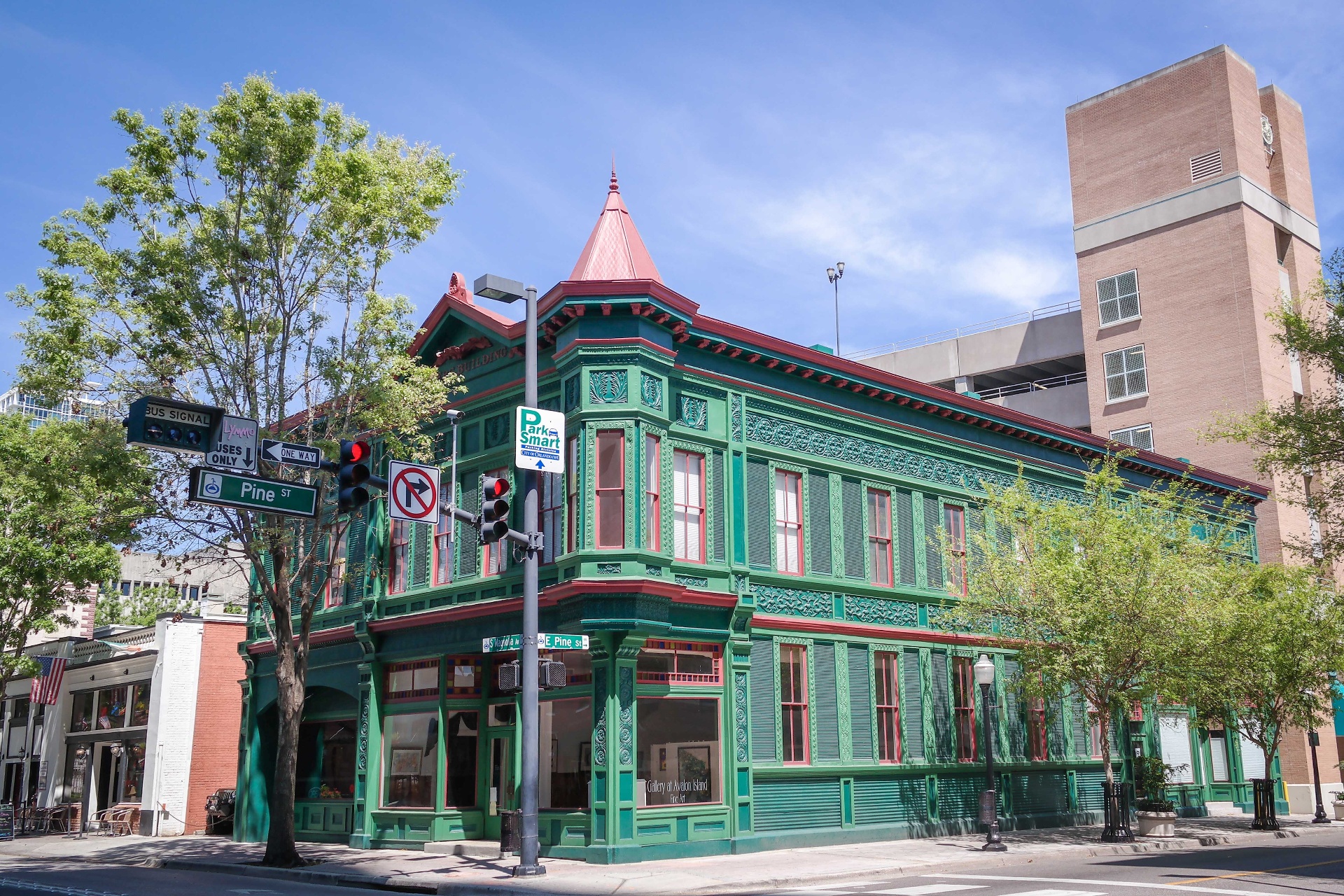
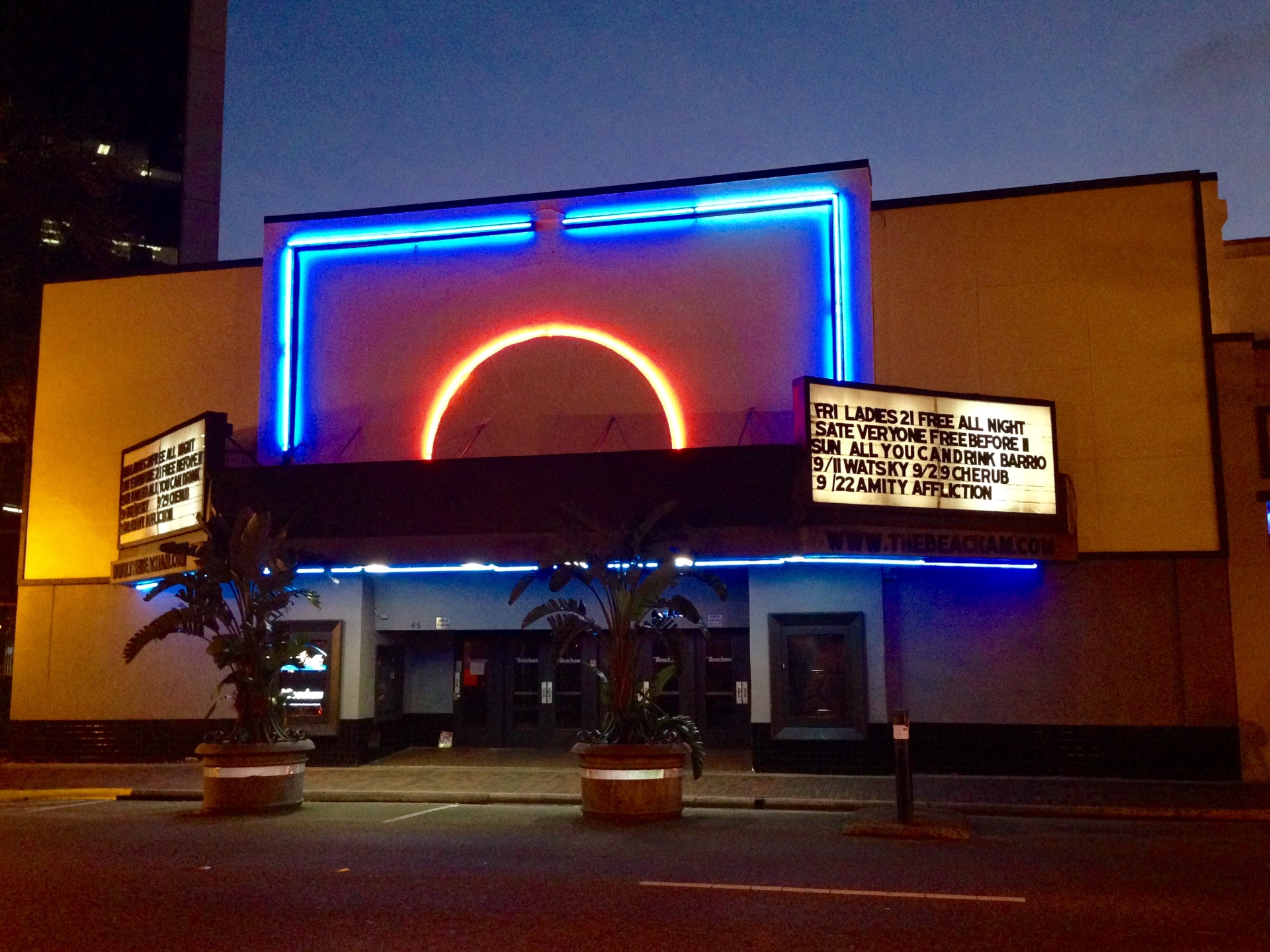
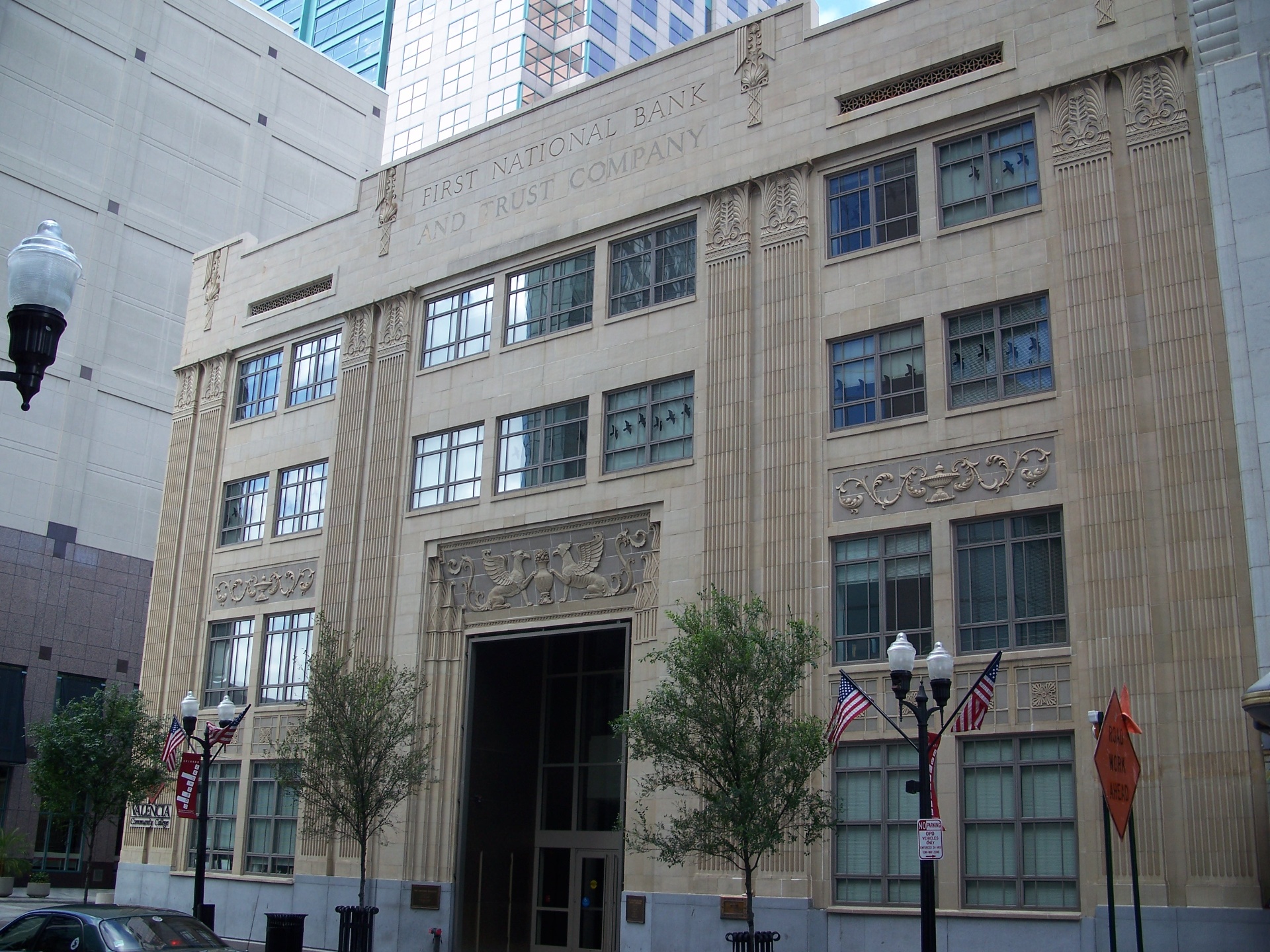
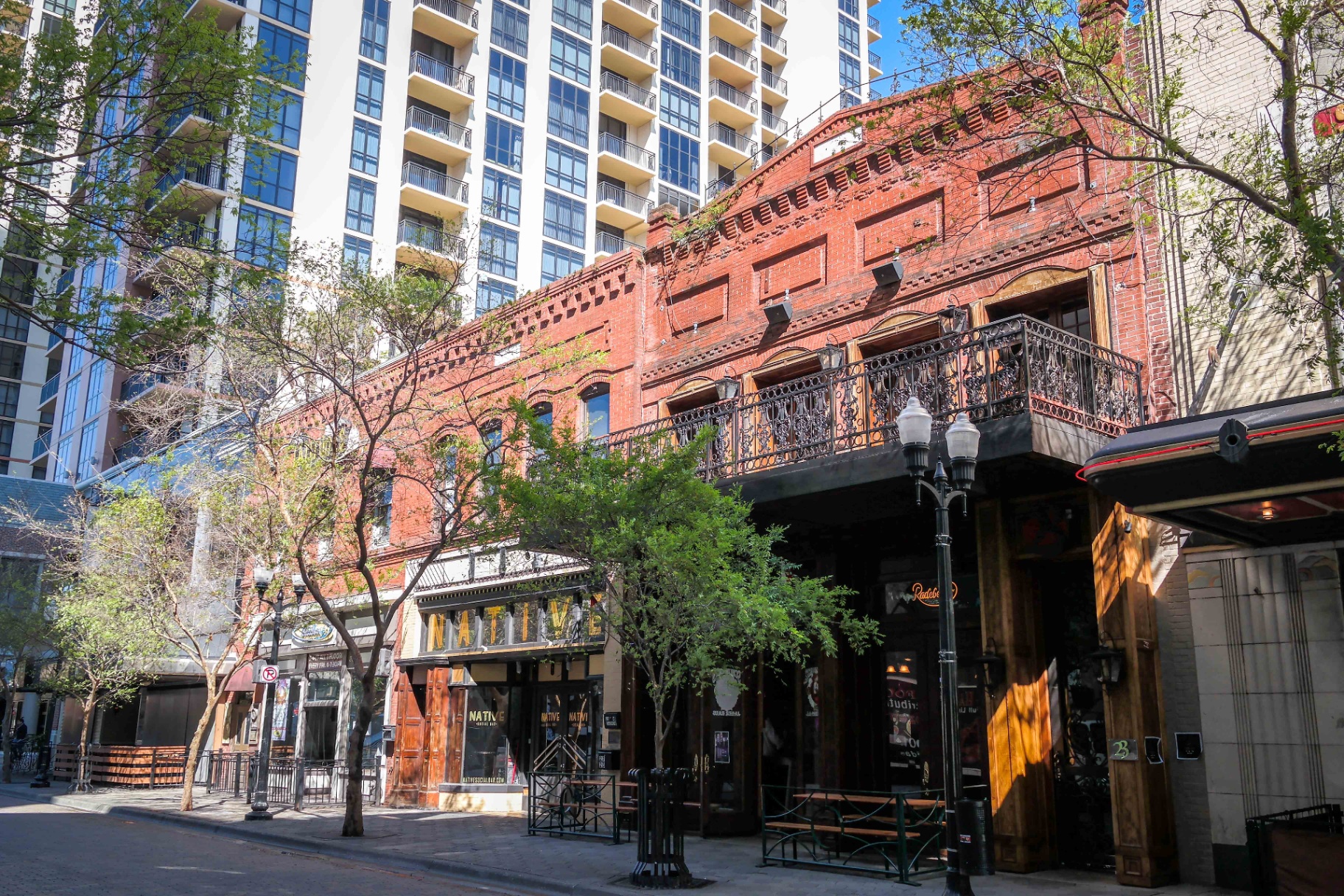
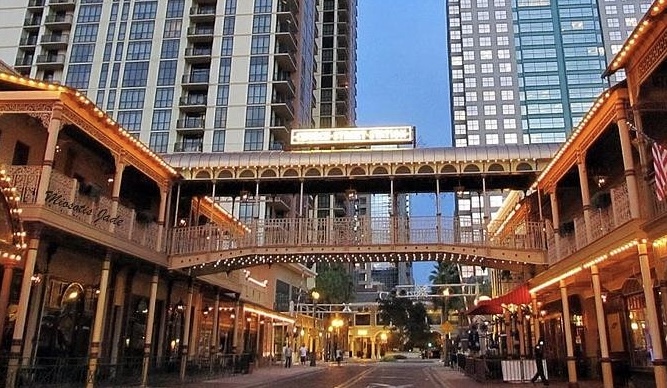
Nine prominent properties within the affected district.
The ordinance applies across the Downtown Historic District, not only to these sites. This list tracks nine prominent landmarks and their current owners of record; items marked “OWNERSHIP PENDING” are still being verified.
VERIFIED
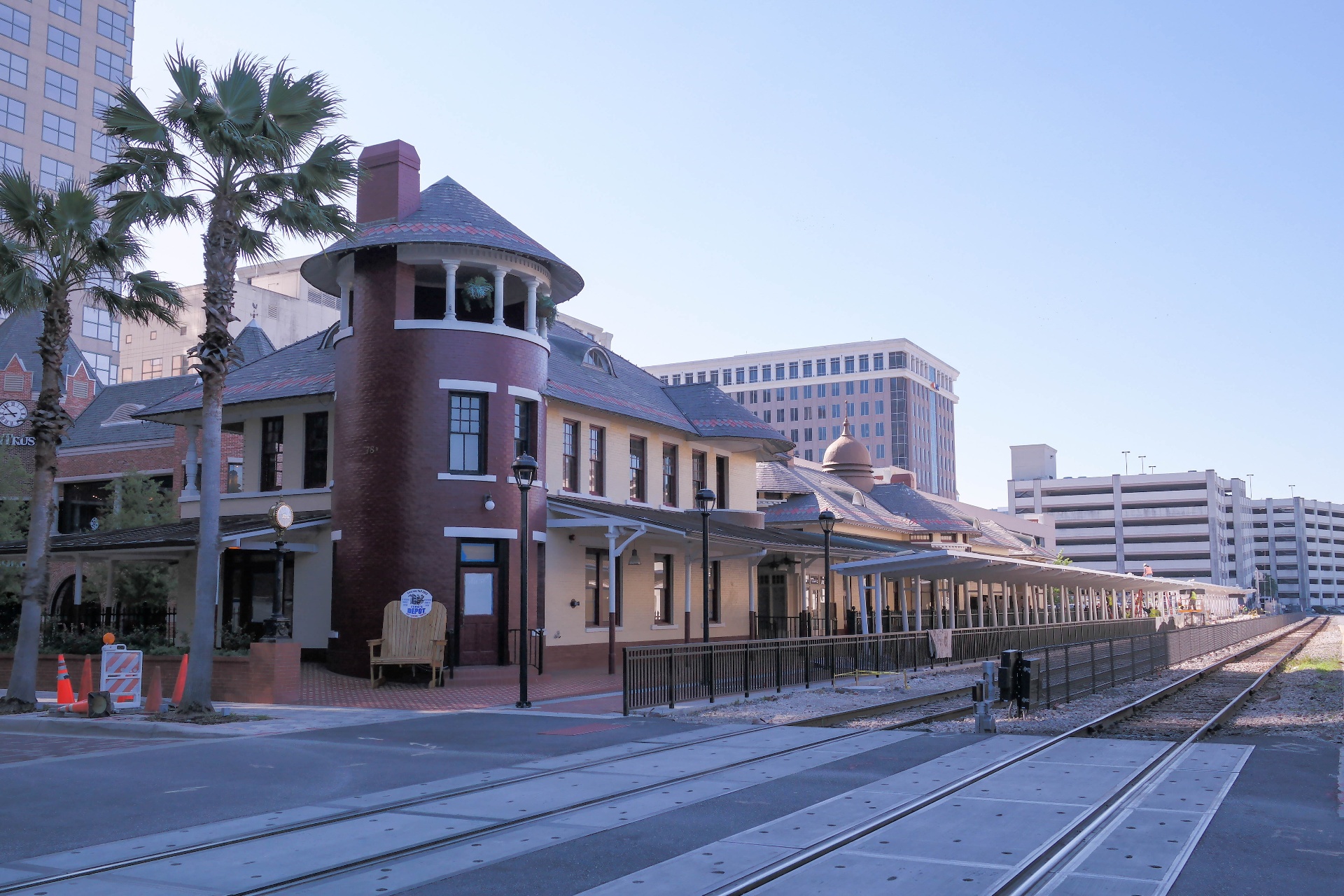
Old Orlando Railroad Depot
127 W. Church Street
Built 1889
Owner: Craig Mateer / CNVB LLC
VERIFIED
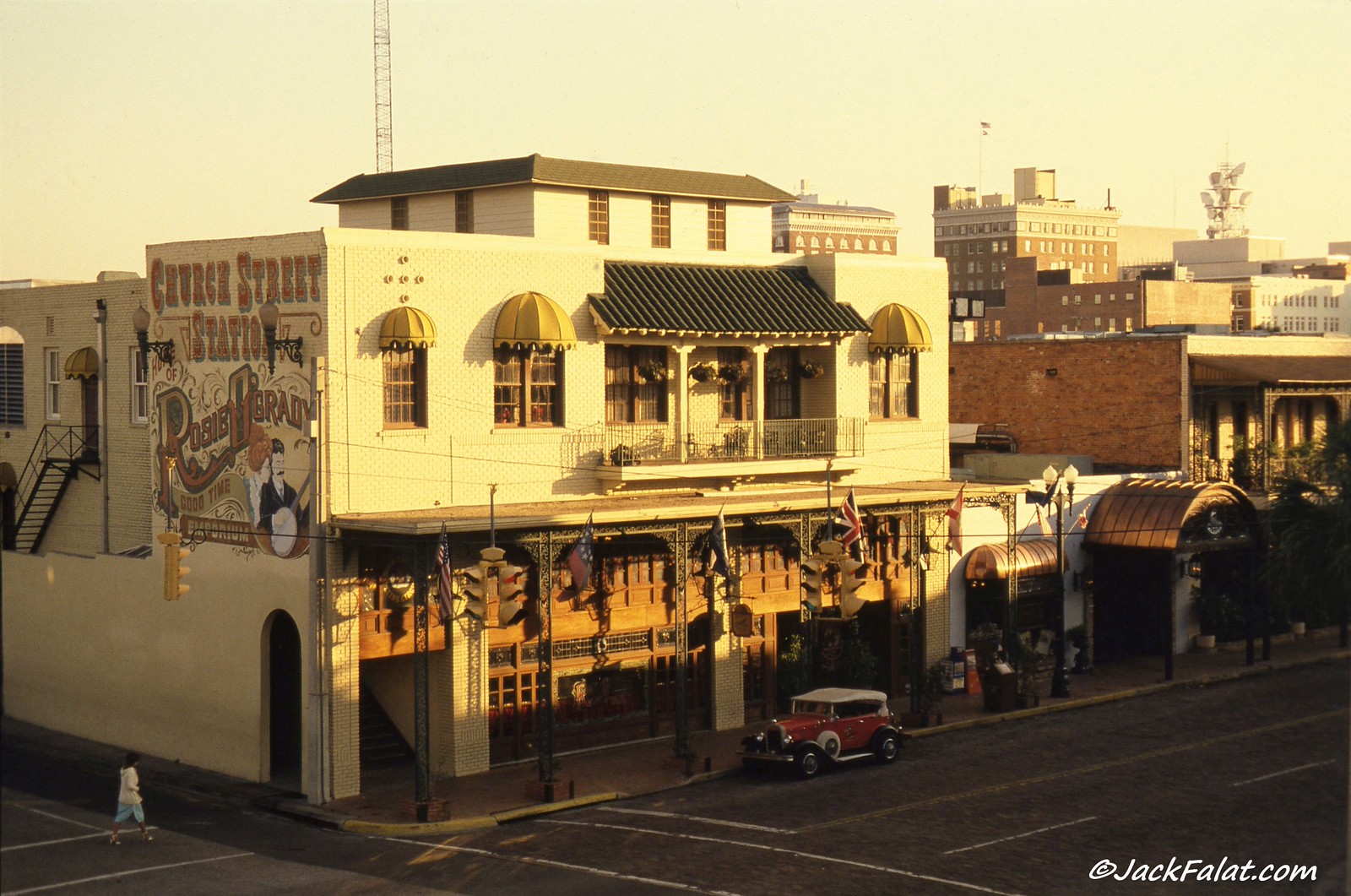
Slemons Department Store
129-135 W. Church Street
Built 1924
Owner: Reportedly Craig Mateer / CNVB LLC
VERIFIED
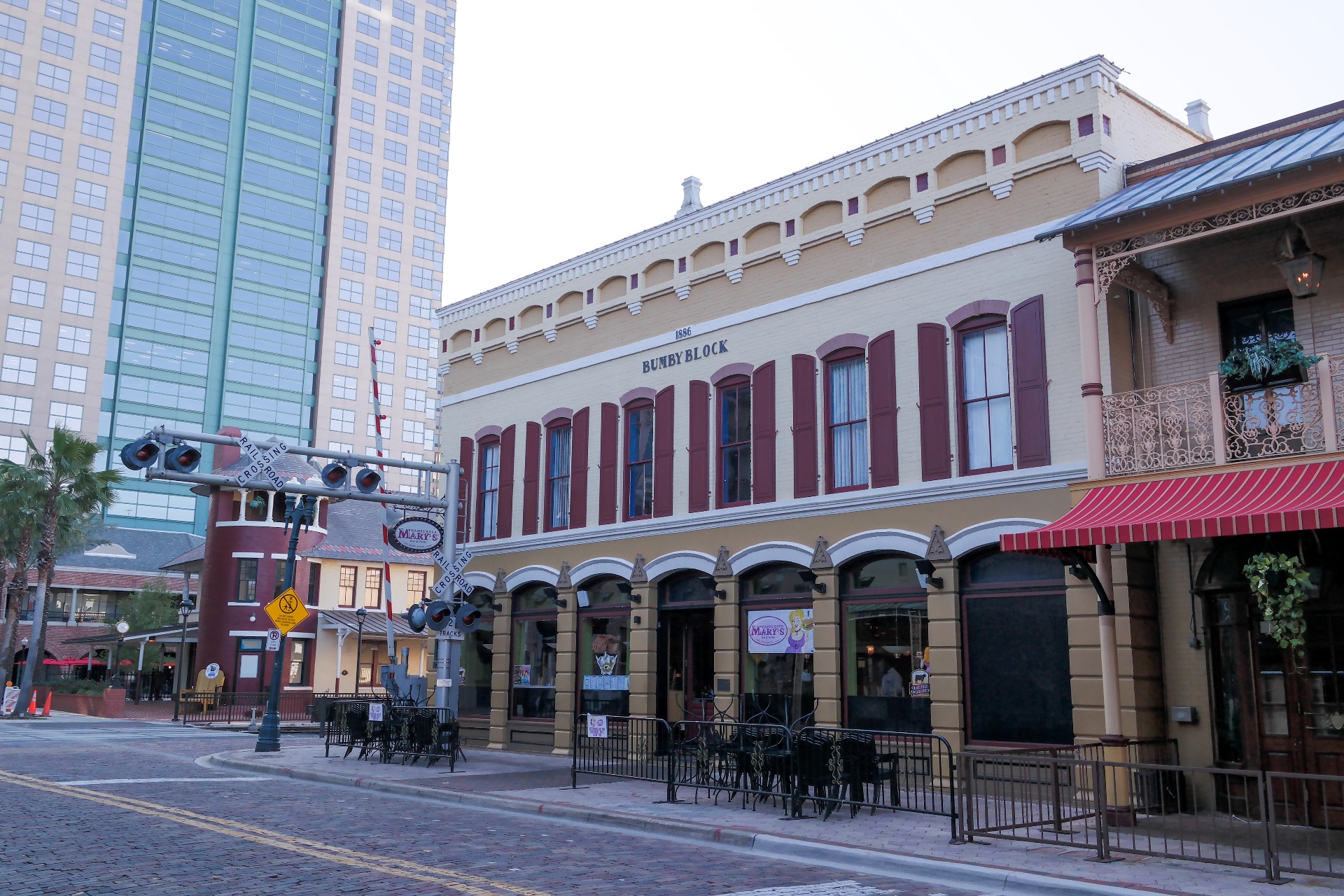
Bumby Hardware
102-110 W. Church Street
Built 1886
Owner: Lincoln Property Company
VERIFIED
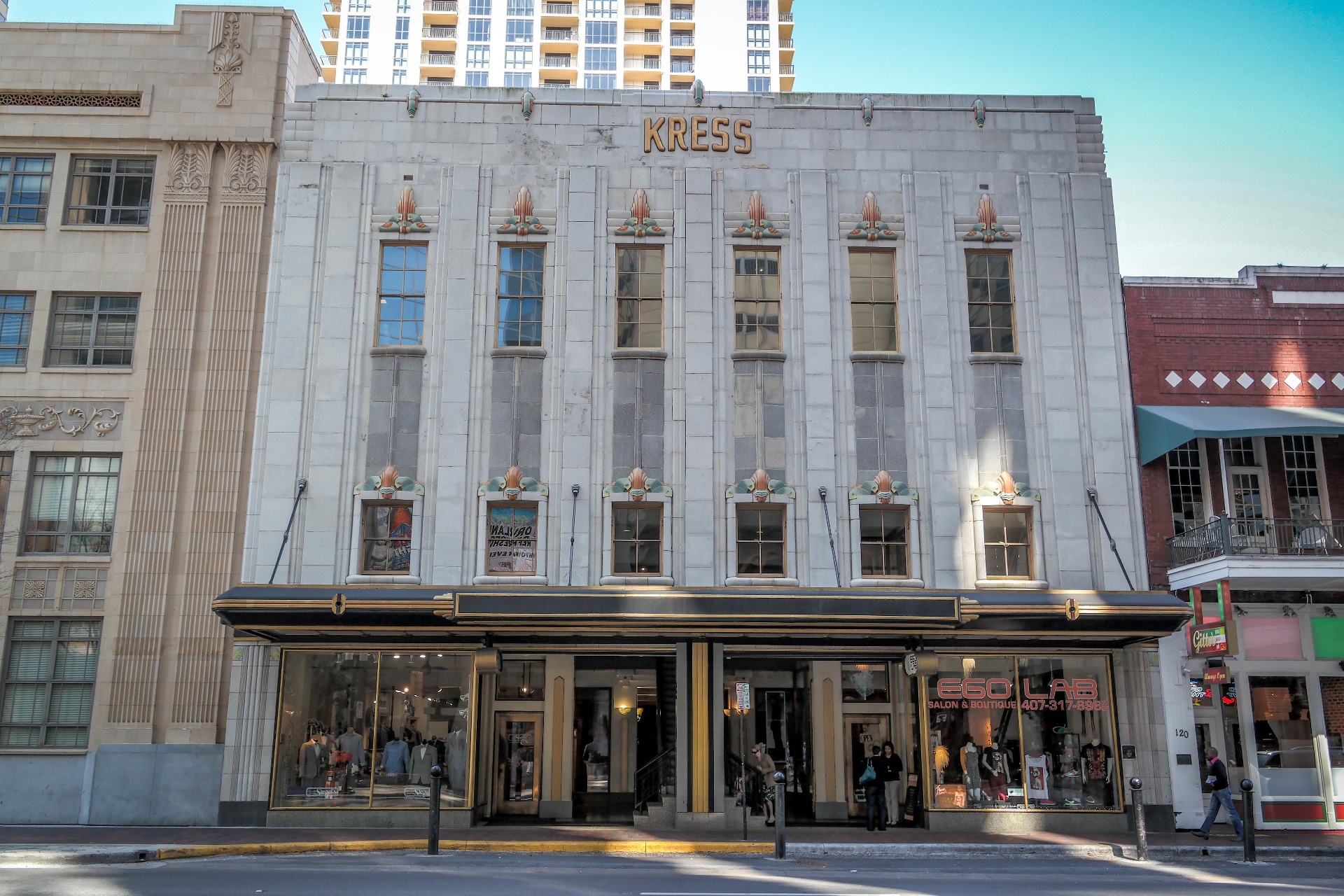
Kress Building
15 W. Church Street / 124 S. Orange Ave.
Built 1935
Owner: Robert Yeager / Sullivan Properties Inc.
VERIFIED
Rogers-Kiene Building
39 S. Magnolia Ave. (NE corner E. Pine & S. Magnolia)
Designated 02/27/78. City records also spell it "Hunt-Branson."
OWNERSHIP PENDING
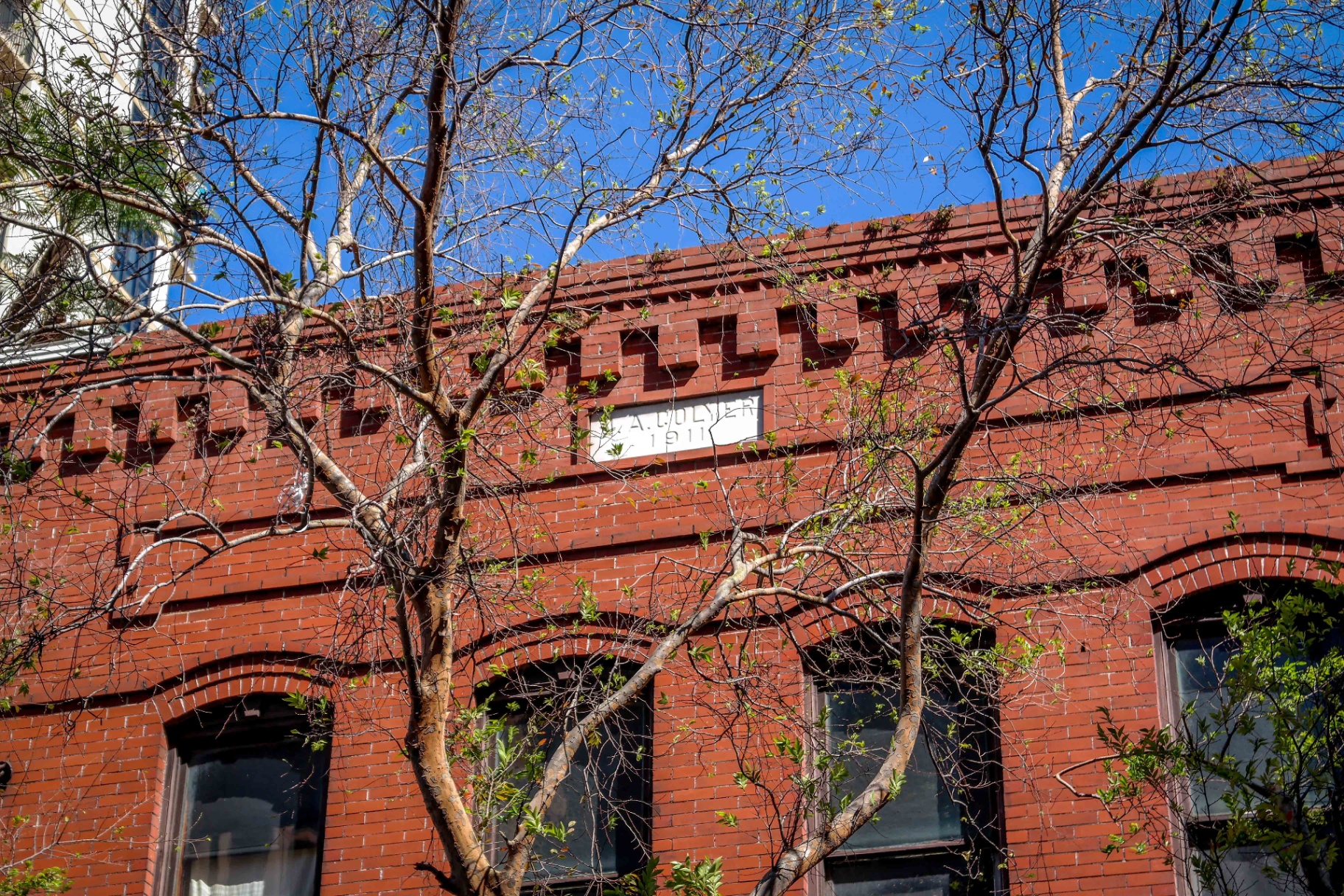
Nicholson-Colyer Building
27-35 W. Church Street
Built 1911
Owner: Ownership unconfirmed
Designated 02/27/78.
Who showed up to support it
At the June 8 first reading, public comment was predominantly opposed.
Only five speakers spoke in favor of the ordinance.
Three were institutional: the Orlando Economic Partnership, the Downtown Orlando Partnership, and Ustler Development.
The remaining two presented as private residents. Reported professional affiliations with the downtown development industry are still being independently verified against primary records.
The public record clearly identifies three institutional supporters; research on the two individual speakers remains open.
Supporters on record
Orlando Economic PartnershipInstitutional
Downtown Orlando PartnershipInstitutional
Ustler DevelopmentInstitutional
Speaker AAffiliation pending
Speaker BAffiliation pending
Names of individual speakers are documented in the council meeting recording, linked on the Evidence page.
Two different diagnoses
The ordinance and Orlando’s own downtown plan point in different directions.
This comparison provides planning context; the DTO Action Plan is not a legal impact study and does not, by itself, disprove the ordinance’s findings.
Ordinance 2026-18
Preservation rules are blamed.
The ordinance attributes increased blight, vacancies, and underdevelopment to historic-preservation restrictions and says those rules severely impede growth. The ordinance text does not attach data or an impact study supporting that causal claim.
Official DTO Action Plan
Public space and connectivity lead.
The city’s plan emphasizes streets, civic spaces, mobility, walkable neighborhoods, small-business support, and catalytic-site placemaking. Its vision asks downtown to “respect its past” while blending history with what is new.
More than 6,600 Orlandoans informed the DTO vision, and the planning consultant reports collecting 25,000+ data points across the study area.
Share this site with neighbors. The final vote is decided by who shows up.
Follow the campaign
Who to contact
The Orlando City Council.
The mayor and all six district commissioners vote on Ordinance 2026-18. Contact your district commissioner first — then the mayor and the rest. Every email and call is logged.